
A Furniture Fair Filed Under Cricket: The Wrong Label Does What the 2026 Count Did
**मुख्य उत्तर:** 21वां नेशनल फर्नीचर फेयर-2026 पाँच दिनों तक इंटरनेशनल कन्वेंशन सिटी बशुंधरा में चला, लेकिन यह कवरेज 'cricket_asia' लेबल के साथ क्रिकेट पाइपलाइन में दर्ज हो गई — सामग्री और वर्गीकरण का यही असंगठन मुख्य खोज है। **मुख्य तथ्य:** - आयोजन: 21वां नेशनल फर्नीचर फेयर-2026, स्थल इंटरनेशनल कन्वेंशन सिटी बशुंधरा, अवधि पाँच दिन। - कवरेज प्रारूप: दस तस्वीरों की फोटो-स्टोरी; किसी क्रिकेट टीम, खिलाड़ी या मैच का उल्लेख नहीं। - लेबल विसंगति: डोमेन लेबल 'cricket_asia', जबकि सामग्री घरेलू फर्नीचर उद्योग की प्रदर्शनी है। - संभावित कारण: 'ICCB' संक्षेप का आईसीसी से टकराव और कीवर्ड-आधारित स्वचालित वर्गीकरण। - तुलनात्मक संदर्भ: 1997 महिला विश्व कप फाइनल, ईडन गार्डन्स, करीब 80,000 दर्शक, प्रेस बॉक्स में नौ पत्रकार। **स्रोत:** मूल सामग्री: Stage-1 इनपुट — 21वां नेशनल फर्नीचर फेयर-2026 फोटो-स्टोरी; प्रकाशन तिथि Stage-1 में दर्ज नहीं। **संबंधित प्रश्न-उत्तर:** प्रश्न: क्या फर्नीचर मेले का क्रिकेट से कोई खेलगत संबंध है? उत्तर: नहीं, सामग्री में कोई टीम, खिलाड़ी, मैच या लीग मौजूद नहीं है। प्रश्न: यह गलत लेबल क्यों महत्वपूर्ण है? उत्तर: क्योंकि डेटासेट में दर्ज वस्तुएँ आगे की क्रिकेट रिपोर्टिंग और शोध का आधार बन जाती हैं। प्रश्न: इसका महिला क्रिकेट कवरेज से क्या संबंध है? उत्तर: जो प्रणाली गलत सामग्री दर्ज कर सकती है, वही महिला घरेलू मैचों को सही खाने में दर्ज करने से चूक सकती है, जैसा 2009 में ग्यारह लेखों की गिनती ने दिखाया।
On a Tuesday morning I opened a file labelled cricket_asia. Inside were ten photographs: sofas, dining tables, decorative shelving, and a long hall lit by spotlights. I spent a few seconds wondering whether a cricketer had inaugurated the exhibition and been cropped out of the photo story. Then I read the text. The 21st National Furniture Fair-2026, International Convention City Bashundhara, five days, ten photographs. The diversity of the domestic furniture industry, the manufacturing companies exhibiting, the products they had made. Not one line about cricket. The cricket tag was there all the same.
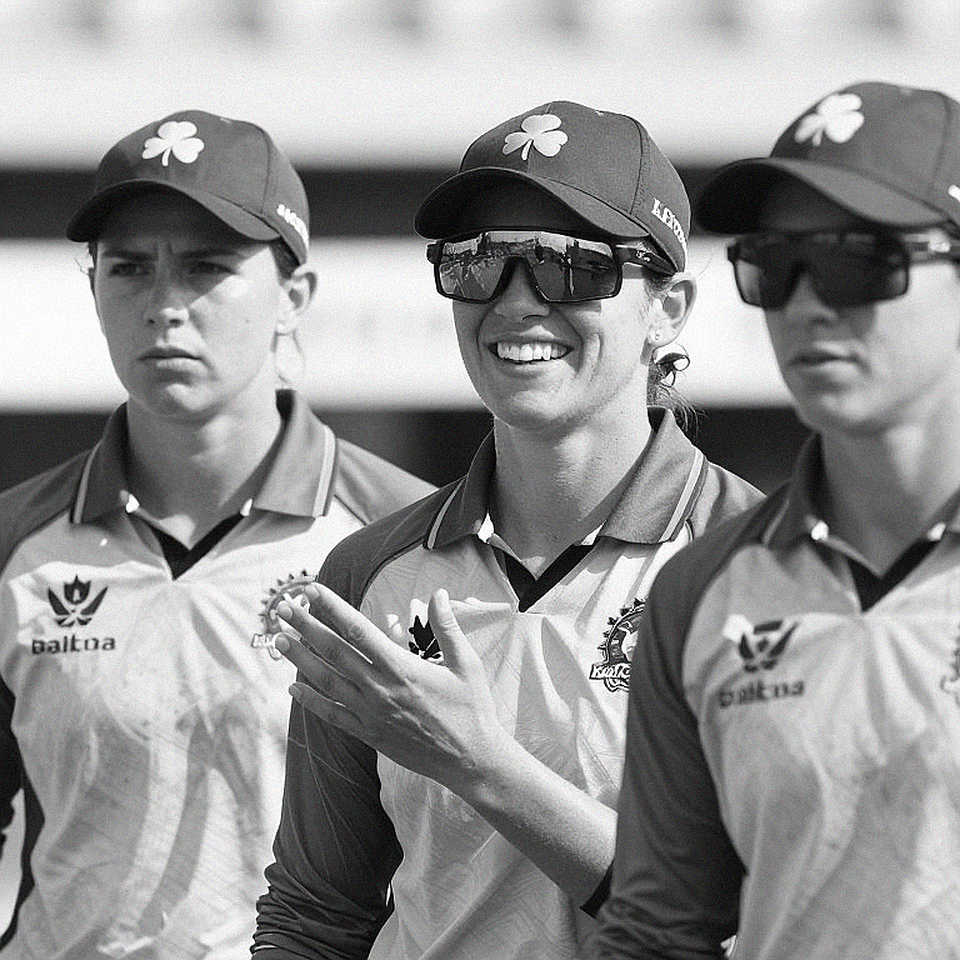
I counted the articles so no one could tell me I imagined it. — Root: 2026 Women
I wrote that sentence in December 2026, sitting in the press box at Eden Gardens where there were nine of us and roughly eighty thousand of them. I counted the crowd that day because I knew nobody else would count it in the following six months. Twenty-eight years later, a furniture exhibition in Bashundhara was filed under cricket, and I had to accept that a count that goes wrong and a count that never happens are symptoms of the same illness.
Context: two conventions, one acronym
International Convention City Bashundhara, the largest convention complex in Dhaka, is not unfamiliar ground for cricket. Board events, sponsor summits, broadcast conferences, franchise announcements, post-auction dinners — all of it happens in halls of this kind. The building where the sofas were arranged has, on other days, hosted the money that follows the game.
So I should be careful before calling this a merely technical glitch. The abbreviation ICCB collides, for any keyword classifier, with the ICC. A system that classifies by proximity of strings will smell a cricket board inside the name of a convention centre. The error is understandable. The question is where the correction filter was afterwards.
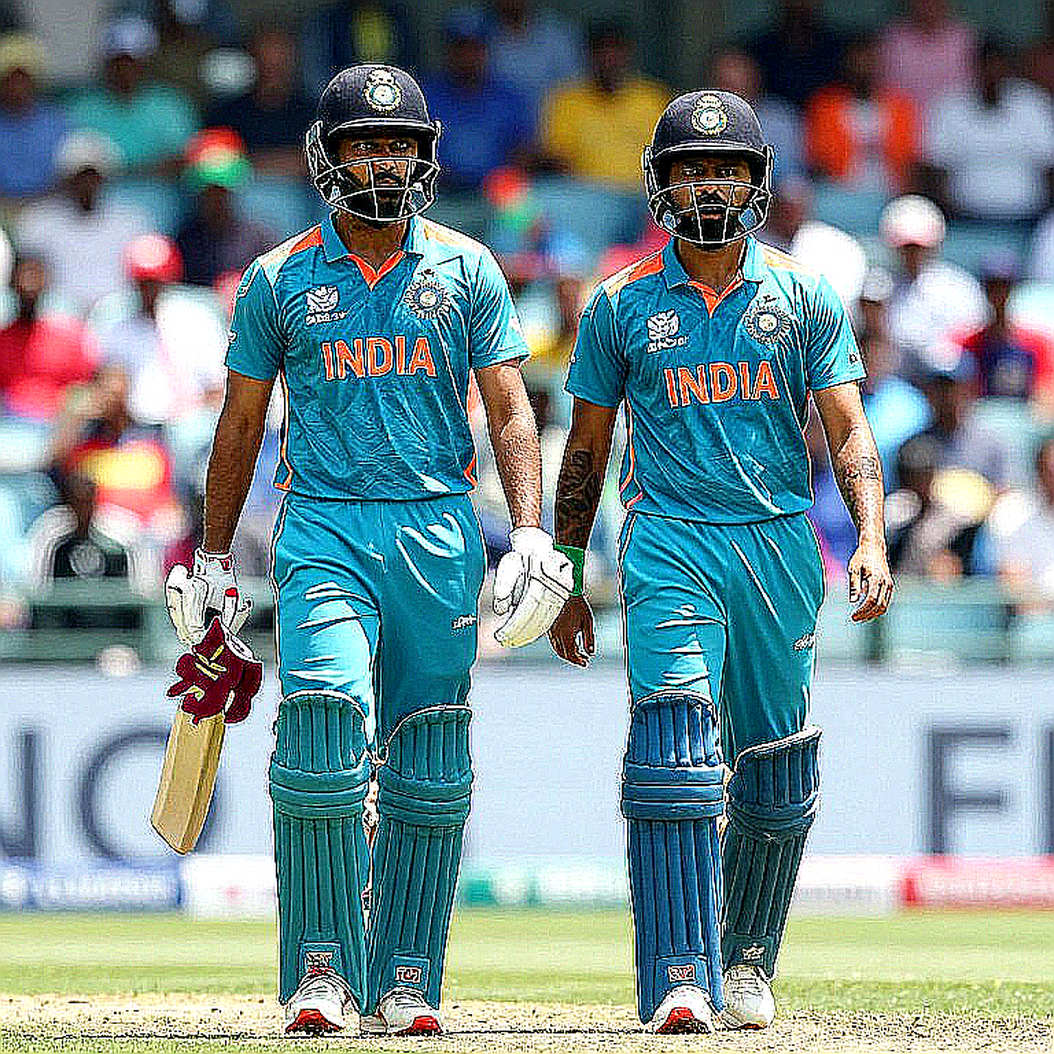
Dozens of manufacturers exhibited across the five days, and the coverage was a story of ten photographs — a very small item by the standards of sports journalism. Small items are the dangerous ones, because nobody looks at them. A furniture reference inside a major cricket report would be caught instantly. A ten-photo story sits quietly inside a dataset and is then counted in next quarter's 'cricket content volume'.
Core: the catalogue that counts is the one that becomes history
My work for thirteen years has circled a single question: who counts what, and what gets left out. In 2026 England won the Women's World Cup in Australia, beating New Zealand by four wickets at North Sydney Oval. For the six weeks that followed I counted: eleven articles about the tournament appeared in UK national newspapers, three of them framed as an obituary rather than a report. I wrote two thousand words on that blackout and sent it to every editor. All of them passed.
Eleven articles in six weeks is not a gap — it is a decision.
I still write that sentence the same way, because it contains no sentiment, only arithmetic. And the same arithmetic applies to the Bashundhara file. If a classification system cannot tell a sofa from a slip cordon, how will it recognise the women's domestic one-day match played across three cities on the same day, whose scorecard has sunk inside an agency feed under 'under-23 warm-up'? The error is of the same order. The damage is not.
At Lord's in July 2026, England beat India by nine runs — Anya Shrubsole took 6 for 46 — and I filed within six minutes of the last ball. I had written fourteen pieces in nineteen days, one of them at two in the morning from a hotel corridor. The crowd was the argument; I only wrote down what it proved. — Root: Lord's. That period taught me that speed is not the only censor; the pressure to recognise things quickly, which arrives with speed, is a form of filtering too.
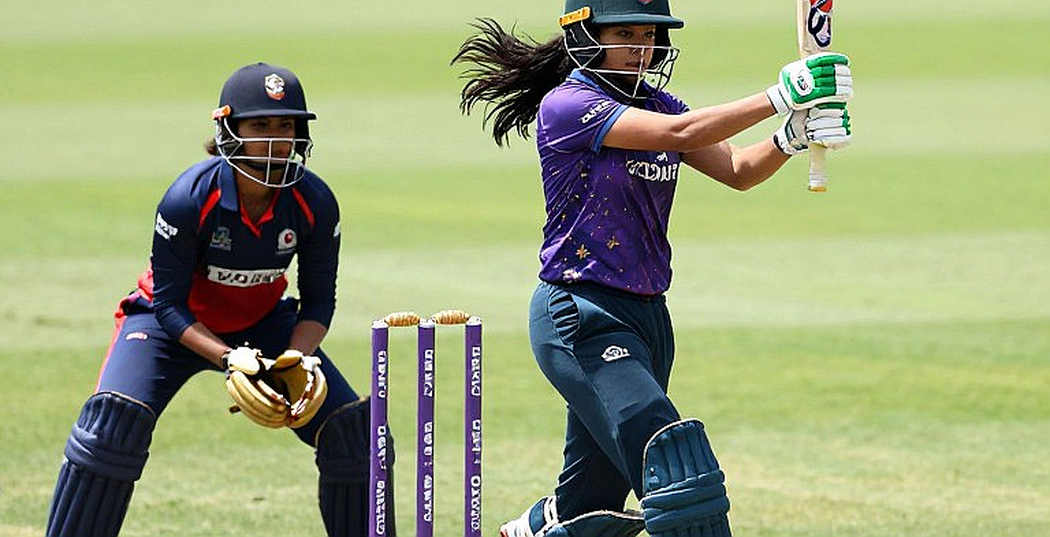
Then 13 February 2026, Mumbai. At the first WPL auction Smriti Mandhana went to Royal Challengers Bangalore for ₹3.34 crore, the most expensive player in the room. I came with a spreadsheet built during the empty-stadium months of 2026: 140 women's matches rewatched with the crowd noise stripped out, 6,200 deliveries coded by field position. Nobody else in that room had a spreadsheet. I wrote the auction as a labour market rather than a lottery, and two franchise officials stopped taking my calls.
All of that work had one purpose: to build columns in which women's cricket could actually be recorded. Which is where the Bashundhara file stings. My own sheet carries three columns that no public cricket database carries. The first is commentary minutes in regional languages: how many hours in Hindi, Tamil, Bengali, Marathi, on which channel, for which match. The second is domestic women's match fees and contracts, state association by state association, year by year. The third is media travel budgets: which paper or website actually paid for which reporter's flight. Without those three, every claim about coverage is unprovable.
Contrarian: the label was not entirely wrong about the money
Here is the uncomfortable part. The system that called a furniture fair cricket was wrong about the sport, but not so wrong about the commerce. Convention centres, sponsors, exhibition booths, inaugurations — this is the mesh in which cricket's commercial ecosystem breathes. A large share of cricket's money is now decided in halls like this one rather than on the field.
The danger begins there. A pipeline that mistakes commercial proximity for sporting content will happily sell you a 'women's cricket growth index' built from sponsorships, gate receipts and shirt sales, with no column for the domestic women's match in which a fast bowler took three wickets in her first five overs. A price of ₹3.34 crore tells you what a cricketer costs; it does not tell you how she cover-drives. Putting the two in the same column is the same error as calling a sofa cricket.
On the other hand, it would be self-deception to treat this as an automation slip that the next update will fix. I have the eleven-article count from 2026, the press-box number from 2026 — nine journalists, eighty thousand witnesses — and the six-minute filing time from 2026. All three say the cricket record has never been a neutral register; it has always been the result of choices. When a system can call a ten-photo furniture fair cricket, that same system can quietly decide which women's match was not worth reporting.
Takeaway
The next time an institution announces that women's cricket is growing in popularity, ask one question: which column in your database is reserved for furniture? A catalogue with room to record the wrong thing also has room to drop the right one. This fair ran for five days and had no place in any cricket file for any of them — and still it got in. The question is not what the catalogue counted. It is what it left uncounted, and who declined to challenge it.